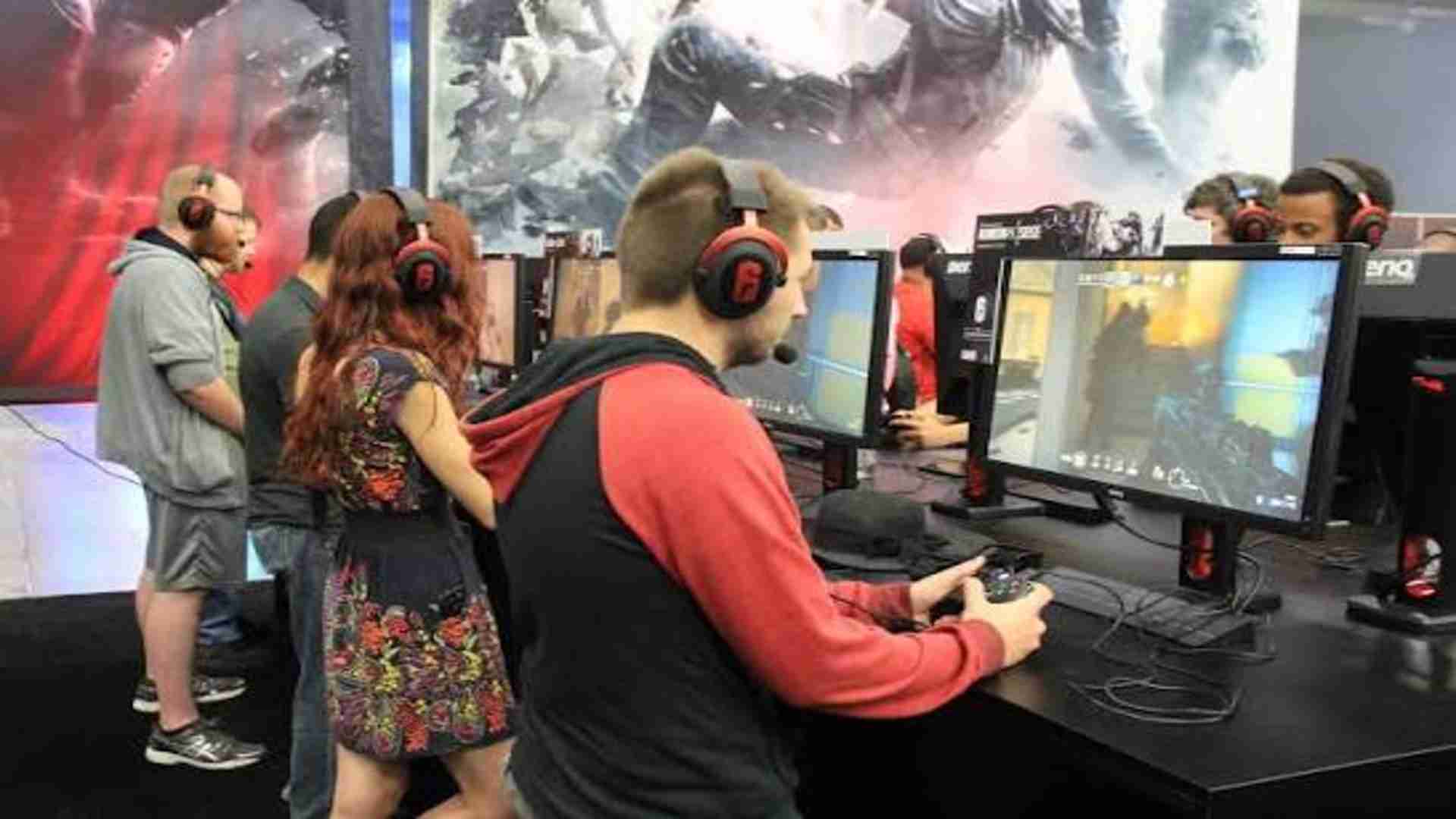
The modern digital landscape has seen a significant shift toward shared experiences, where players prioritize teamwork over individual achievement. Multiplayer titles that emphasize deep collaboration allow friends and strangers alike to unite against complex virtual challenges. These experiences foster genuine camaraderie and test collective problem-solving skills in ways that solitary gaming simply cannot replicate.
The Evolution of Shared Mechanics
Early cooperative efforts were often limited to simple side-scrolling adventures with shared screen space and basic objectives. Today, modern developers design intricate systems where every participant fulfills a unique and vital role within the team structure. This structural depth ensures that victory depends entirely on mutual reliance and synchronized execution.
As virtual environments expand, the demand for sophisticated coordination becomes central to the core loop of interactive entertainment. Teams must continuously analyze their collective strategies and adapt to unpredictable circumstances in real time. This dynamic requirement transforms casual play sessions into highly rewarding exercises in group synchronization.
Fostering Trust and Clear Communication
Successful team-based gaming relies heavily on establishing clear channels of verbal and tactical communication among participants. When tackling high-stakes objectives, a single miscommunication can lead to immediate failure for the entire group. Therefore, players quickly learn to value concise updates and proactive support during intense encounters.
Through these intense digital interactions, communities naturally build trust and develop long-lasting interpersonal bonds across geographical boundaries. To discover more about platforms that host engaging communities and interactive environments, you can follow the Link M88 to explore diverse digital offerings. Engaging with these hubs highlights how modern systems keep global participants connected through various interactive mediums.
Designing for Diverse Skill Levels
A major challenge for contemporary developers is creating content that remains accessible to newcomers while challenging veterans. The best cooperative designs implement scalable difficulty settings and flexible role assignments to accommodate everyone. This inclusivity ensures that players of all backgrounds can contribute meaningfully to the final outcome.
By offering varied responsibilities, games allow individuals to focus on their personal strengths, whether in defensive support or strategic planning. This balanced approach reduces potential friction and encourages long-term engagement within the community. Ultimately, a well-balanced system satisfies elite competitors without alienating those seeking relaxed social fun.
The Future of Group Integration
Looking ahead, emerging technologies promise to make cooperative interactions even more immersive and seamless than they are today. Advanced artificial intelligence and cross-platform capabilities will allow larger groups to unite without technical barriers. The boundaries of shared virtual spaces will continue to expand, offering unprecedented levels of engagement.
As design philosophies mature, the focus will likely remain on deepening human connection through interactive storytelling and shared triumphs. The ongoing popularity of these titles proves that the desire for collective achievement is a foundational aspect of modern entertainment. The future looks bright for communities built around the spirit of mutual cooperation.